Rachel Keeling Nursery School has now closed following an amalgamation with Globe Primary School. There continues to be a nursery provision on the school site and nursery places are available. Please visit www.globeschool.org.uk.
  • Home
    • Welcome
    • Location
    • Contact us
  • News
    • Learning Blog
    • Newsletters
    • Term dates
    • Learning Blog Archive
  • Our School
    • Our History
    • Our Garden
    • Our Films
  • Information
    • Admissions
    • Curriculum & Goals >
      • Settle in and become a confident learner
      • Follow a recipe to make playdough
      • Make a model at the woodwork table
      • Ride a bicycle
      • Create your own rhythmic patterns and respond to music
      • Create shades of colour using powder paints and palette
      • Make up your own stories
      • Write the first two letters of your name
    • Health and Hygiene
    • Early Years Pupil Premium
    • Lunchtime
    • Places for 3 & 4 year olds
    • Special Educational Needs and Disability
  • Families
    • Cycle Sisters
    • Children and Family Centres
    • Food Bank
    • Head Lice
    • What our community thinks
  • Outreach
    • Articles, Research & Conferences
    • Our Outreach Work
    • Resources >
      • Design Project
      • RKNS shopping
      • Learning Journeys
      • Special Books
      • RKNS using film
      • SEND/Inclusion
  • Learning
    • Curriculum >
      • Personal, Social & Emotional Development
      • Physical Development
      • Communication and Language
      • Literacy
      • Mathematics
      • Understanding the World
      • Expressive Arts and Design
    • Learning Gallery >
      • Reading, Writing, Speaking and Listening
      • Performing and Playing Music
      • Learning Outside
      • Taking Risks and Being Independent
      • Being Creative
      • Showing Curiousity
      • Designing and Building
      • Cooking
      • Our Shoppers
      • Bike It
      • Science
      • Independent Projects
      • Research Projects
      • Friendships
      • Sustainability
  • Home Learning
    • Stories with Staff
    • Numbers and Counting
    • Busy in the Kitchen
    • Sing-along Songs
    • Experiments
    • Letters and Sounds
    • Gardening
    • Keep Moving
    • Exploration and Games
    • 52 Things To Do
    • Learning at Home
    • Music at Home
    • Cooking Together
    • Phonics
    • Mathematics at Home
    • Science
    • Nature Detectives
    • Sharing Stories
    • Tales Toolkit
    • Being Creative
    • Keeping Active
  • Events
    • July 2025
    • June 2025
    • May 2025
    • April 2025
    • March 2025
    • February 2025
    • January 2025
    • December 2024
    • November 2024
    • October 2024
    • September 2024
    • July 2024
    • June 2024
    • May 2024
    • April 2024
    • March 2024
    • February 2024
    • January 2024
    • December 2023
    • November 2023
    • October 2023
    • September 2023
    • July 2023
    • June 2023
    • May 2023
    • April 2023
    • March 2023
    • February 2023
    • January 2023
  • Welcome
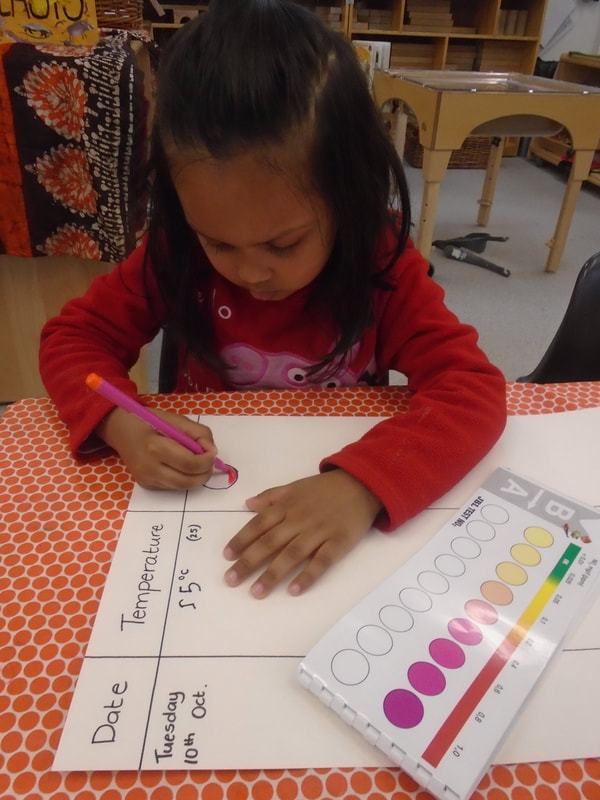
Science
Science in the Kitchen
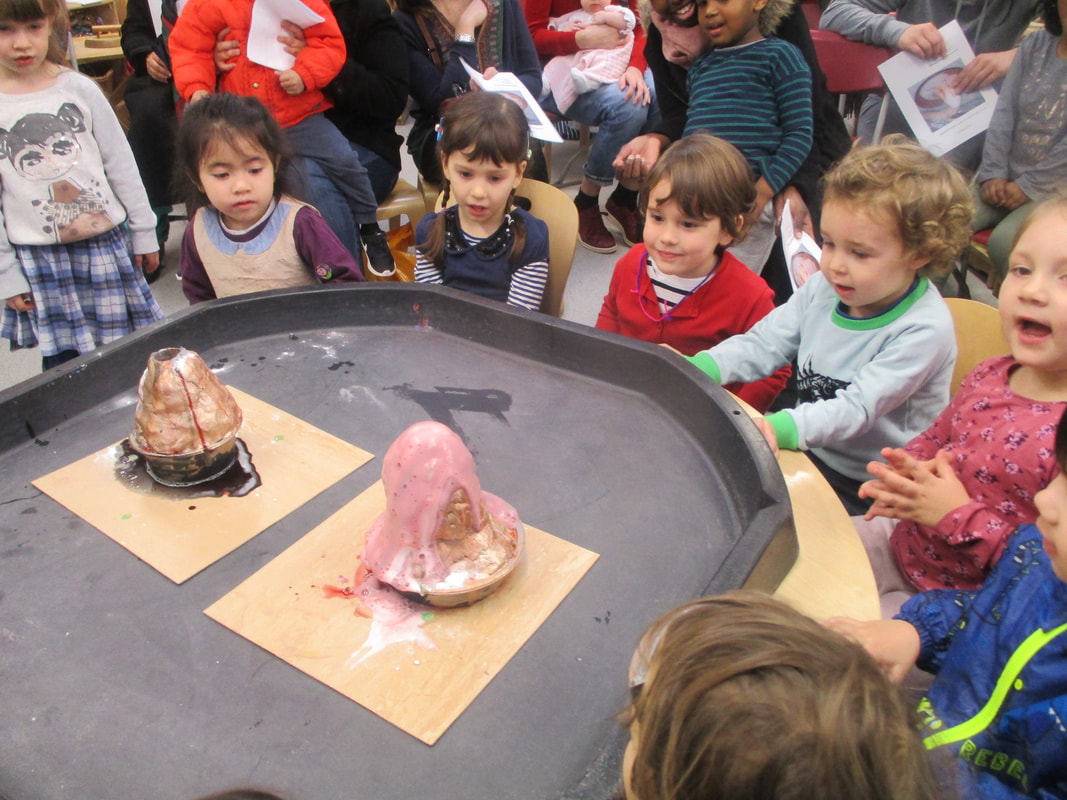
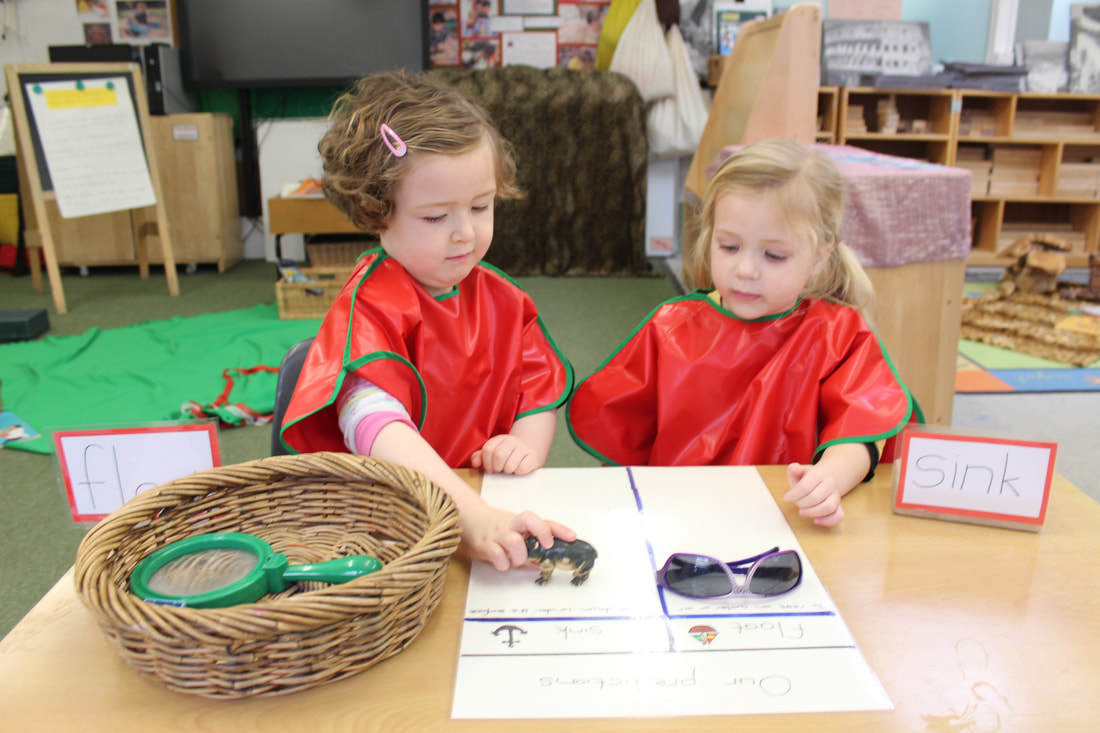
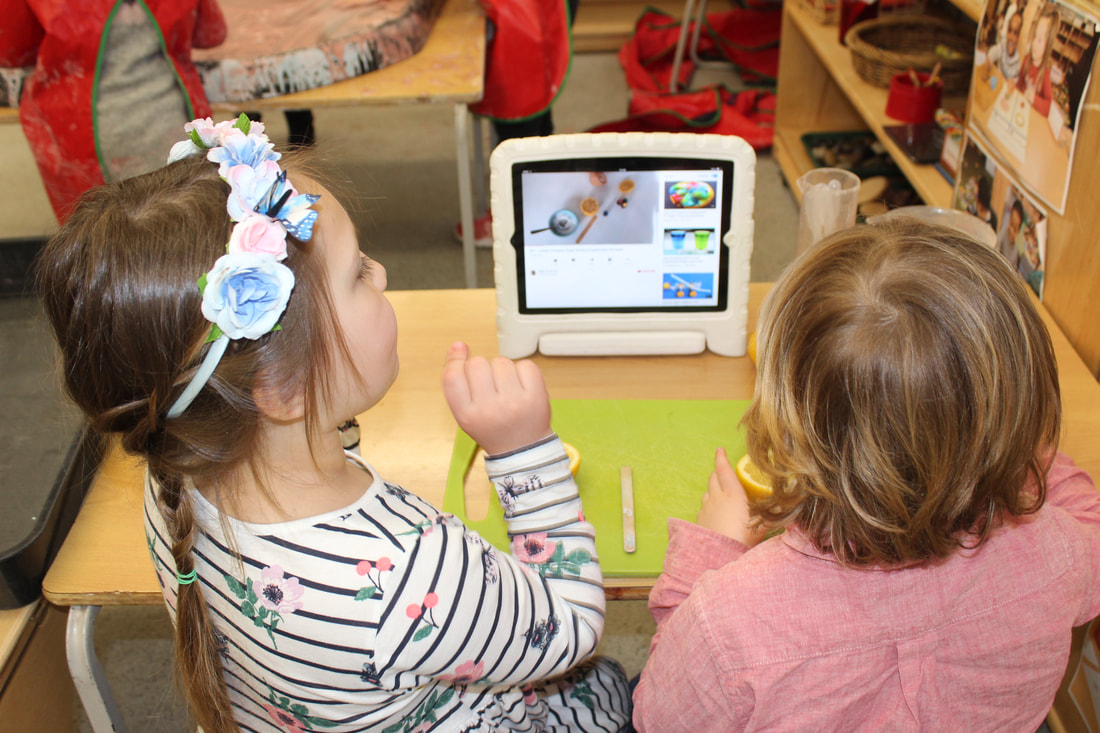
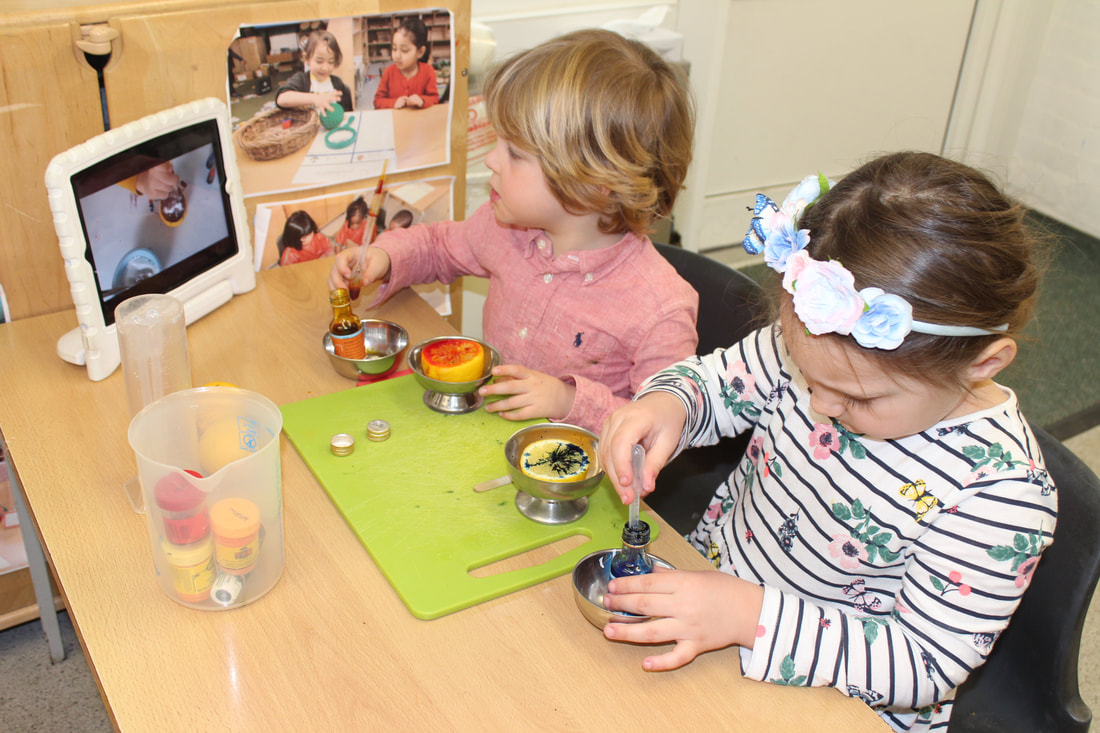
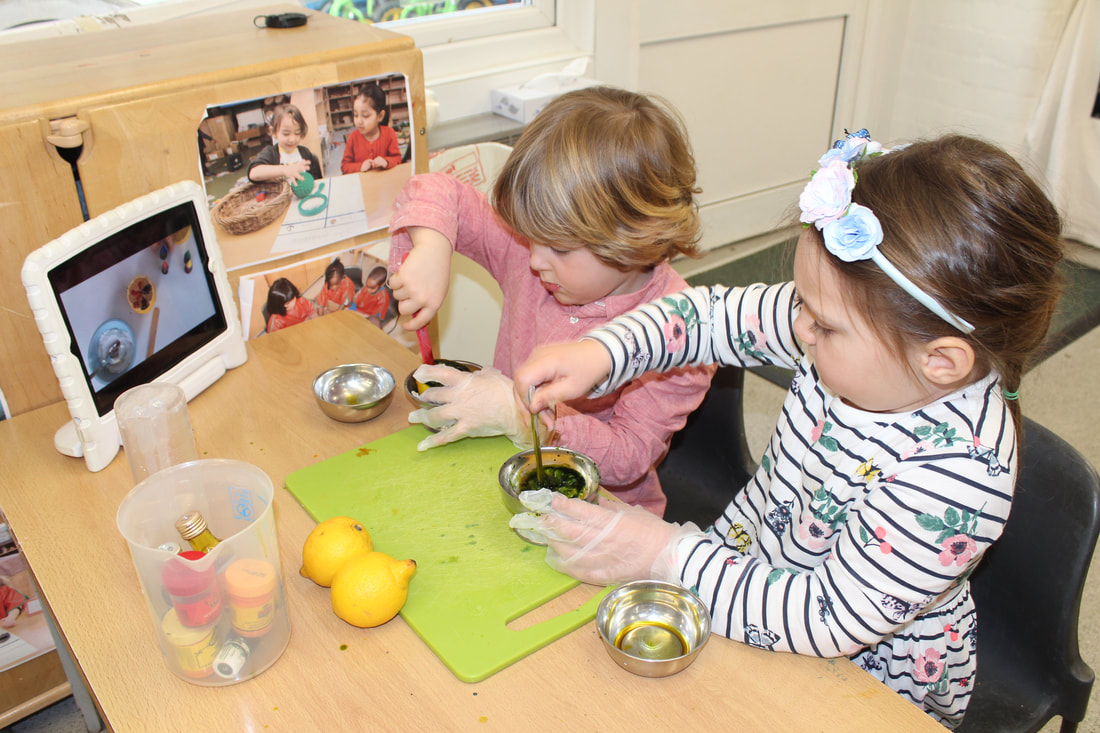
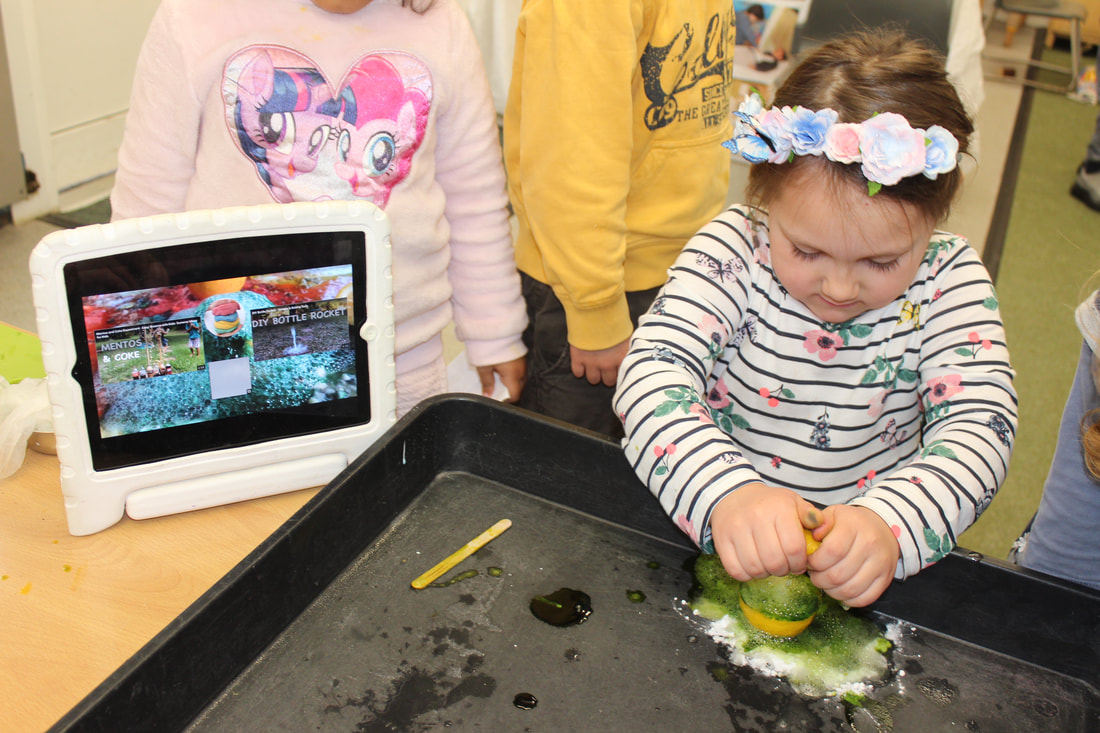
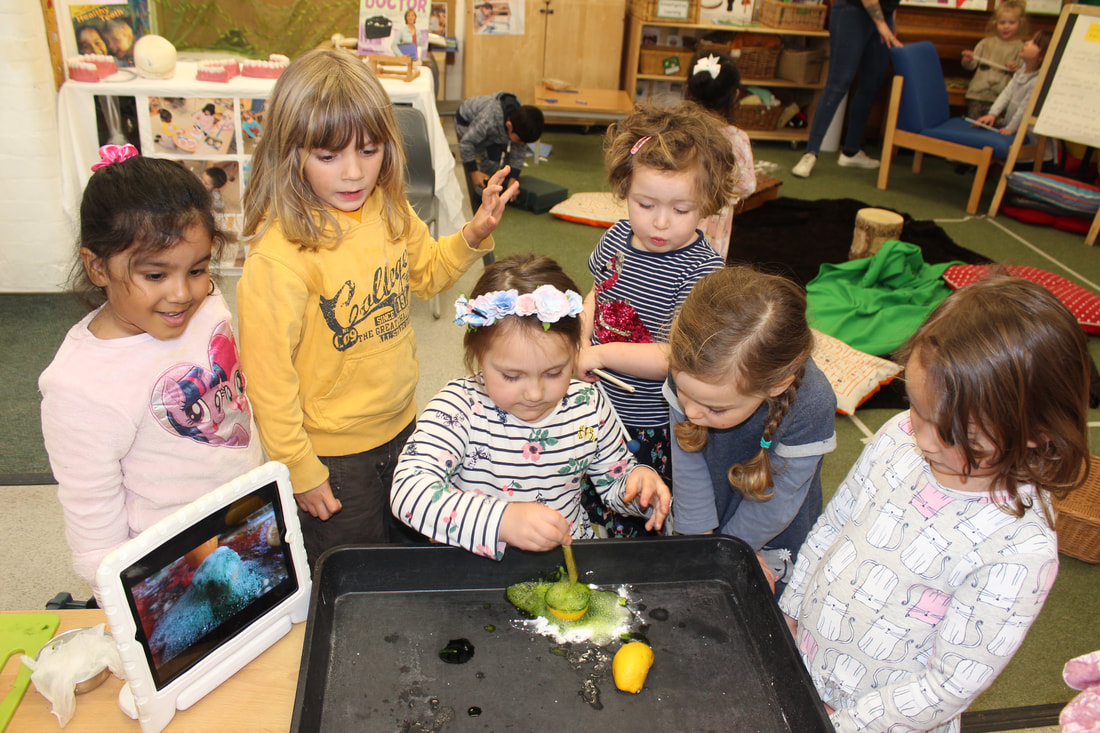
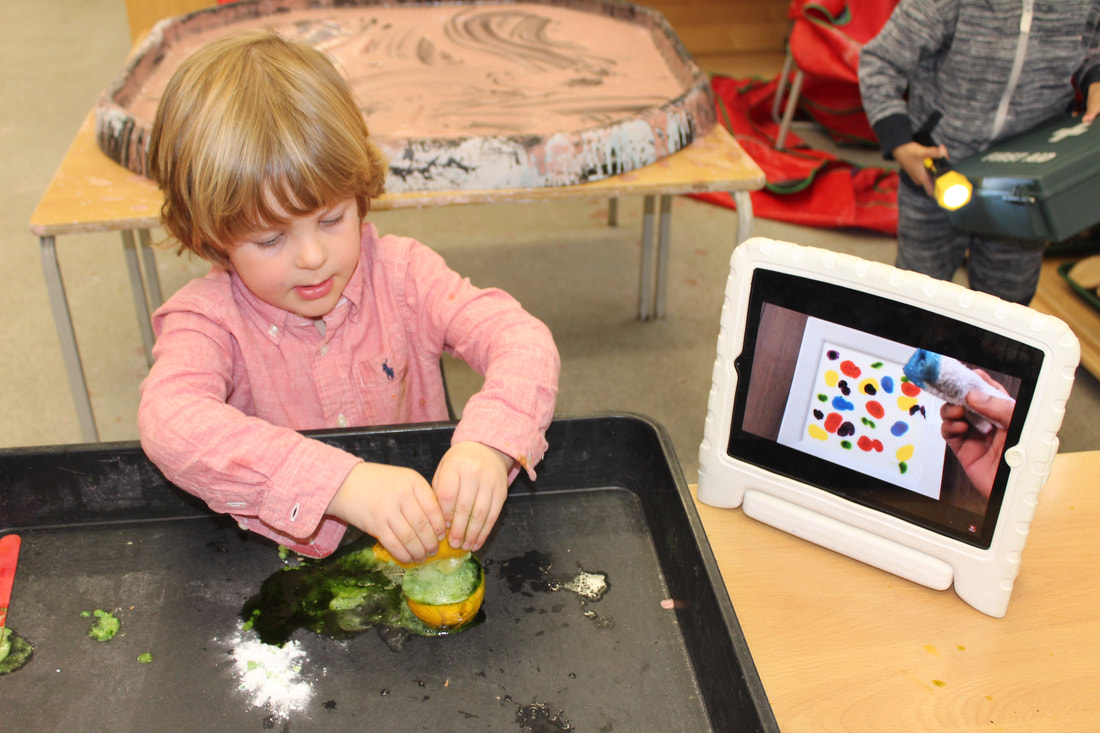
Not all science requires expensive and hard to find chemicals or fancy laboratories. You can explore the fun of science in your own kitchen. Here are some science experiments and projects you can do that use common kitchen chemicals.
Science Through Cooking Blog
Science in the Kitchen
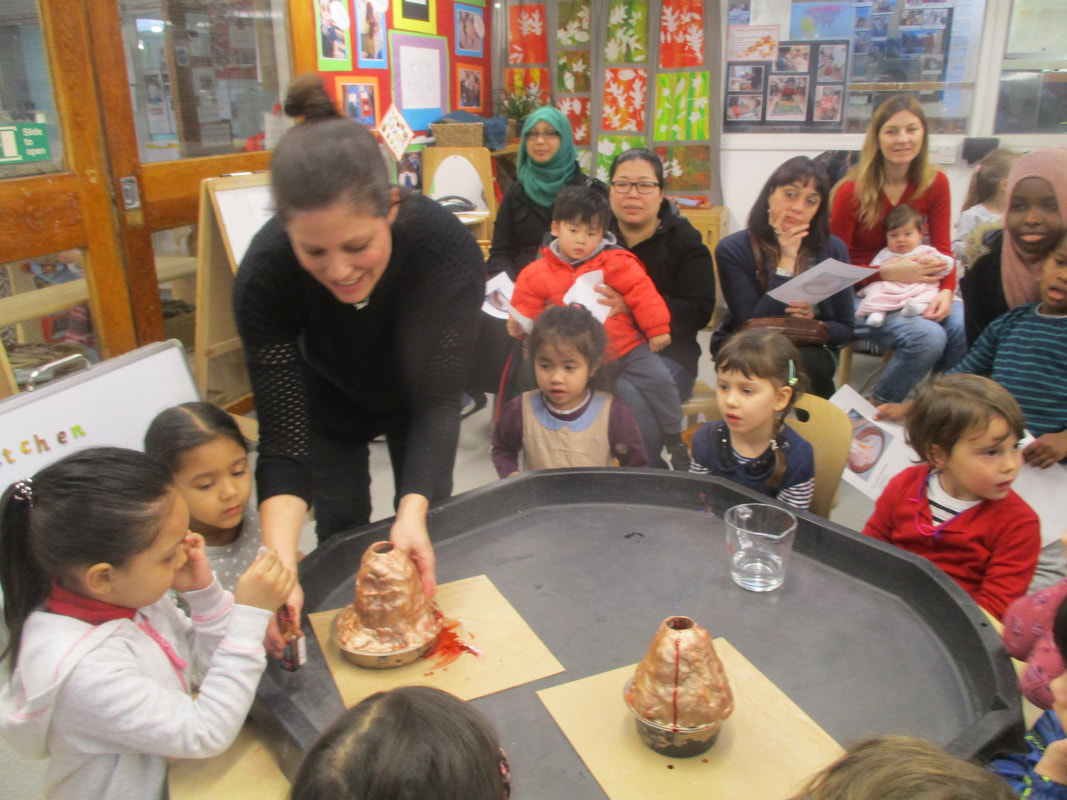
Picture
Science Experiments
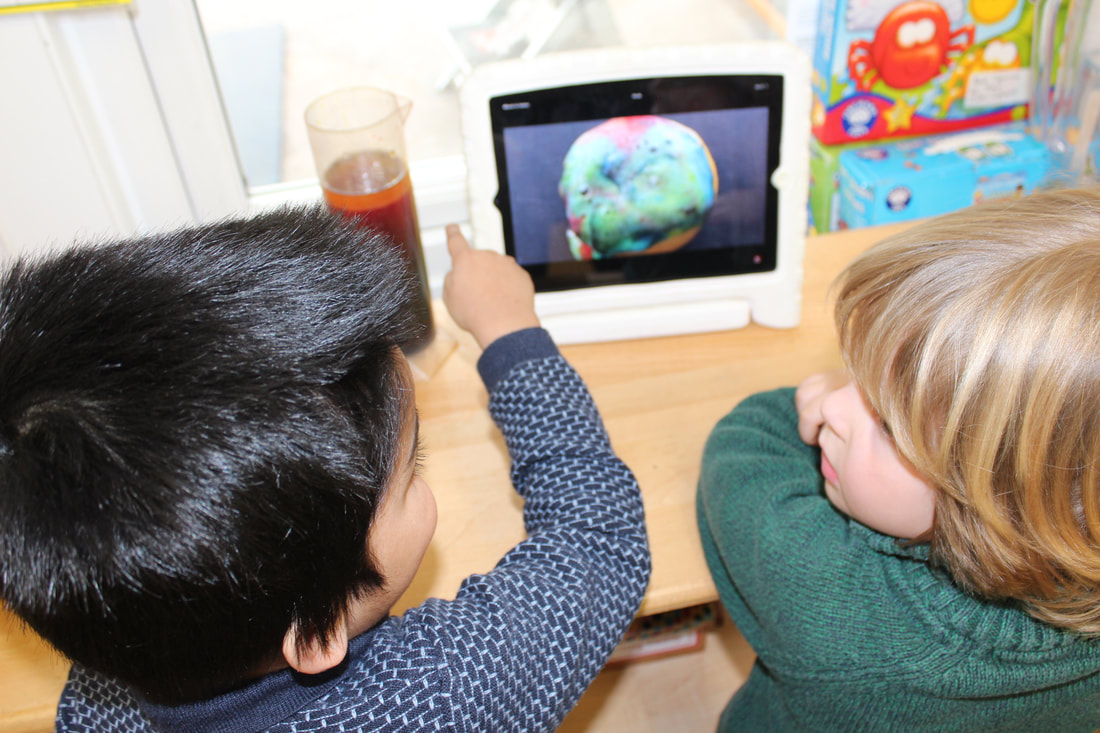
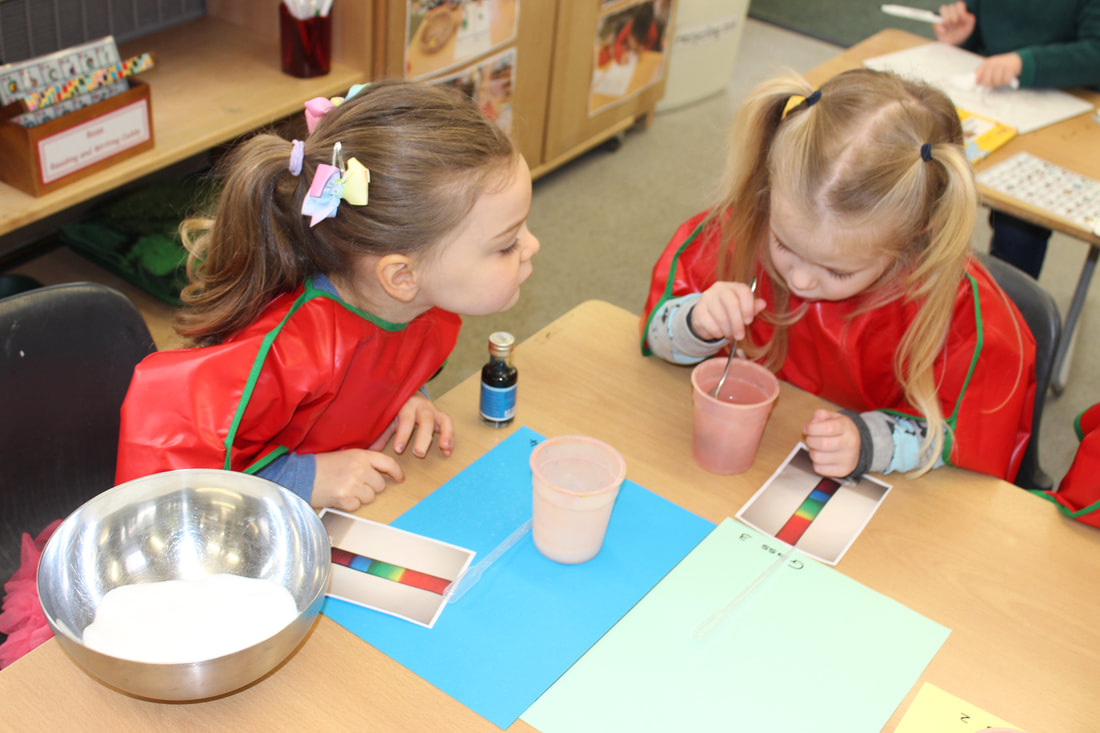
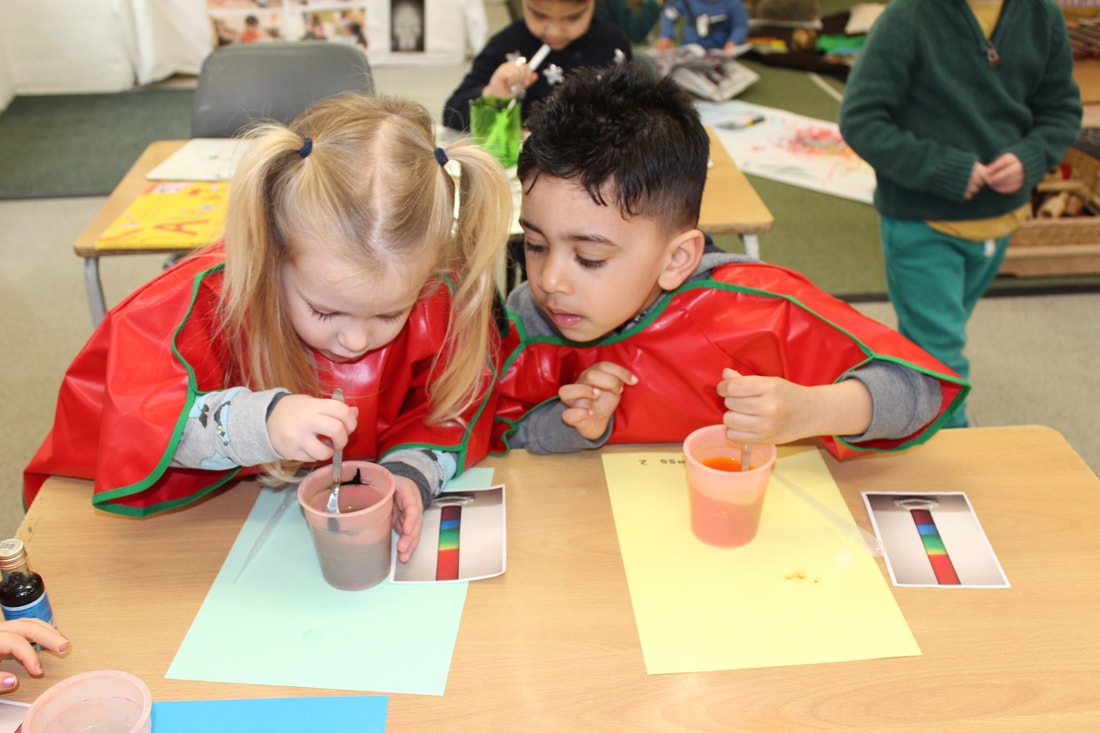
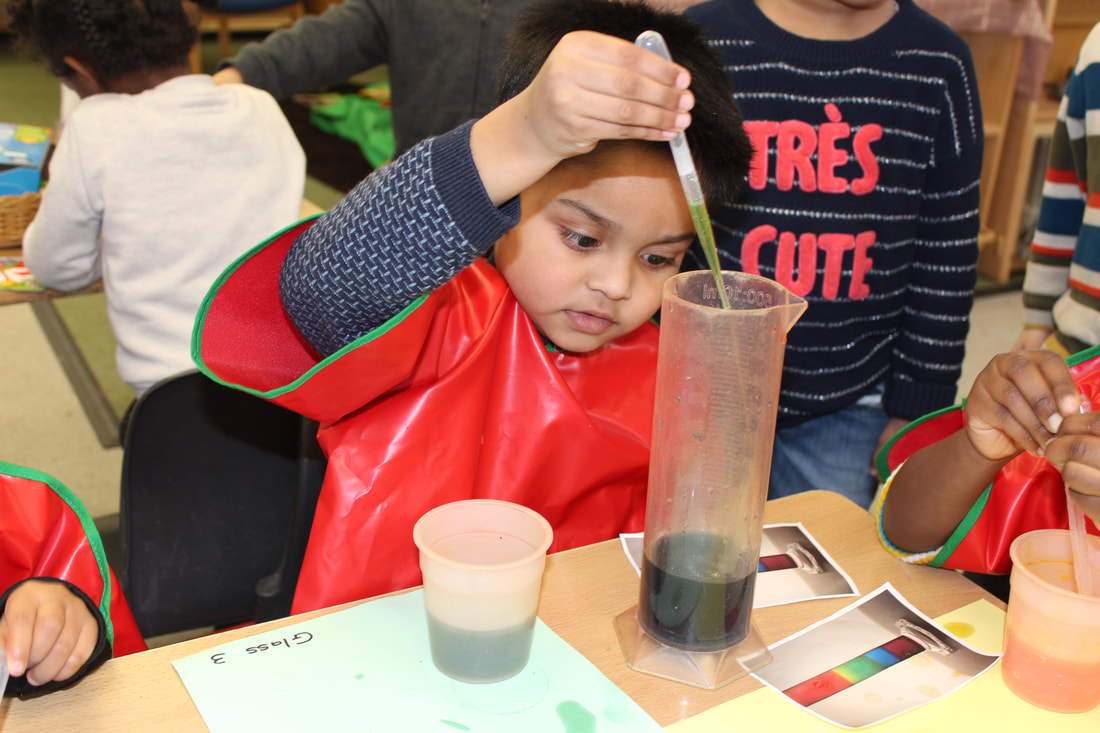
Trying out simple science experiments at home is a brilliant way to engage young children. It nurtures their natural sense of curiosity, while also allowing them to express their creativity and learn about the world around them. ​
​Fizzy Lava Lamp
Picture
Instructions
  • Open the jar and pour the sunflower oil into the jar to about halfway
  • Add some drops of food colouring into the oil
  • Top it up with water
  • Switch on your torch and put it behind the jar
  • Put in a spoonful of bicarbonate of soda and put the lid back on
  • Watch your lava lamp fizz!
Top Tips:
  • You can also try this with different colours and in different types of containers
  • Make sure to put the lid on so that the liquid doesn't spill out
Squirty Chalk
Picture
​Instructions
  1. Label the two squirty bottles A and B
  2. Remove the lids from both bottles
  3. Add bicarbonate of soda to bottle A until it is one-third full 
  4. Add cornflower to bottle A until another third is full - the bottle should now be two-thirds full
  5. Add a few drops of food colouring to bottle A
  6. Fill the remainder of bottle A with water
  7. Fill bottle B with white vinegar
  8. Add a few drops of food colouring to bottle B
  9. Securely replace the lids on bottles A and B and shake hard!
  10. Squeeze bottle A to draw a picture on the ground 
  11. Trace the picture with bottle B to see the fizzy chemical reaction!
Top Tips
  1. Use your squirty chalk outside - a flat even surface works best
  2. The squirty chalk can be easily washed away with water
  3. Wear clothes you don't mind getting messy
  4. Try using different food colourings in each bottle for a rainbow of fun!
Try these awesome science experiments.
Robo-Slime
Picture
Have super sparkly fun by making gloopy robo-slime!
Instructions
  • Add some food colouring to half a cup of water
  • Pour two cups of cornflour in to a bowl
  • Very slowly add the coloured water and stir 
  • Add glitter to make your mixture sparkle
  • Keep stirring until the robo-slime is good and gloopy! 
Top Tips
  • If your mixture seems too watery, try adding more cornflour
  • You could even add glow-in-the-dark poster paint to make the slime glow
  • Try different food colouring colours to get different coloured slime!
Ice Cool Skaters
Picture
​Instructions
  • Using felt tip pens, draw your character on a lolly stick - remember to leave a gap at the bottom so that it looks like your character is skating
  • Wrap tinfoil securely around the top of the cup of water
  • Use the handle of the teaspoon to pierce a hole in the top of the tinfoil
  • Place your lolly stick into the hole in the foil so that your character is standing upright in the cup
  • Grown-ups, you can now put your ice cool skater into the freezer overnight until the water is frozen solid 
  • Once frozen, remove the ice cool skater from the cup, place it on a flat surface like a baking tray, and watch it dance!
Top Tips
  • Experiment with using different flat surfaces to see what makes the skaters move faster
  • Try racing your ice cool skaters against friends and family - you could design the skaters to look like everyone who's competing in the race!
Picture
Picture
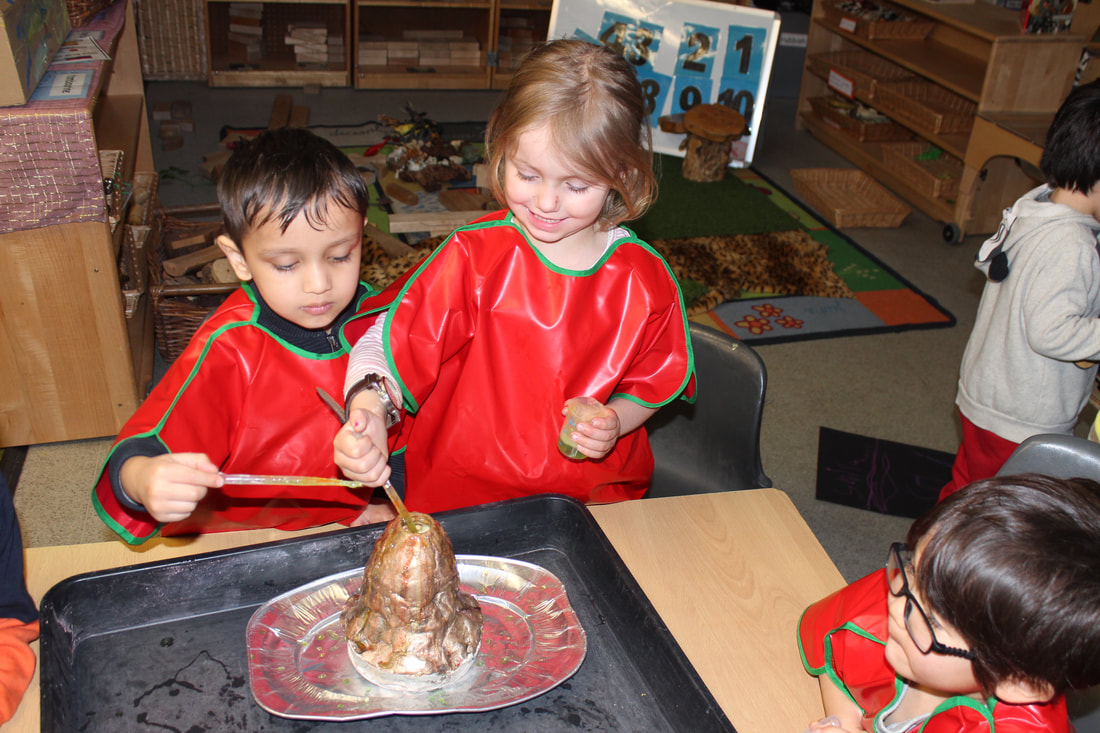
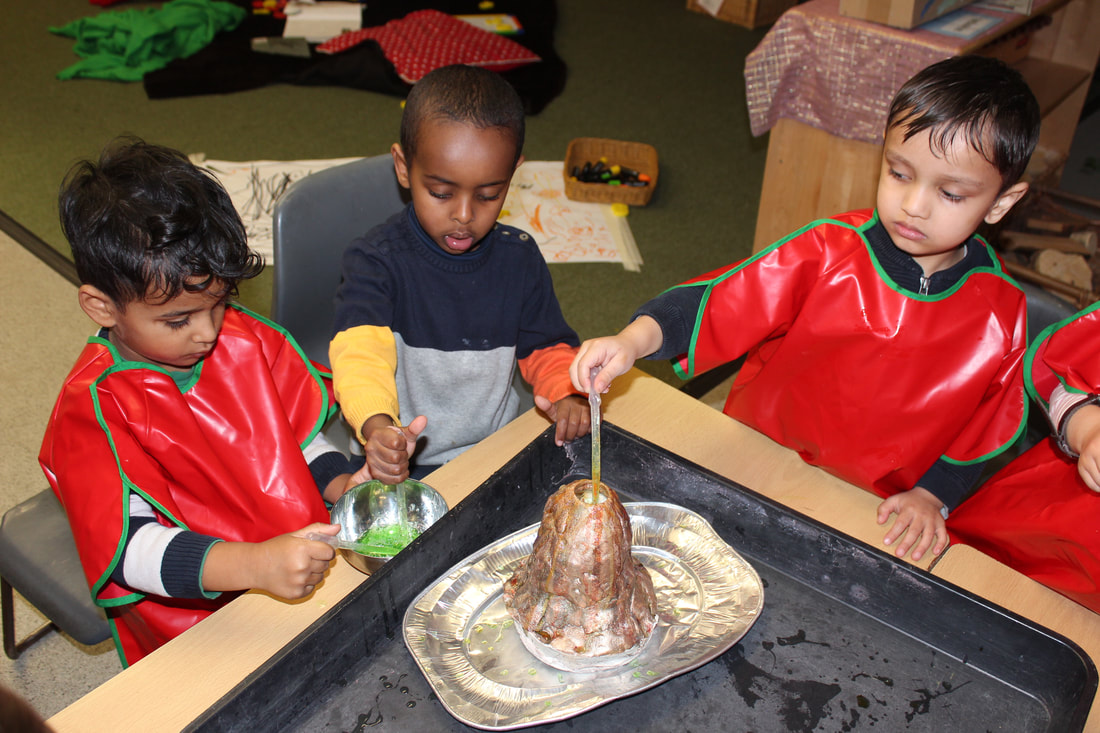
How to make a volcano
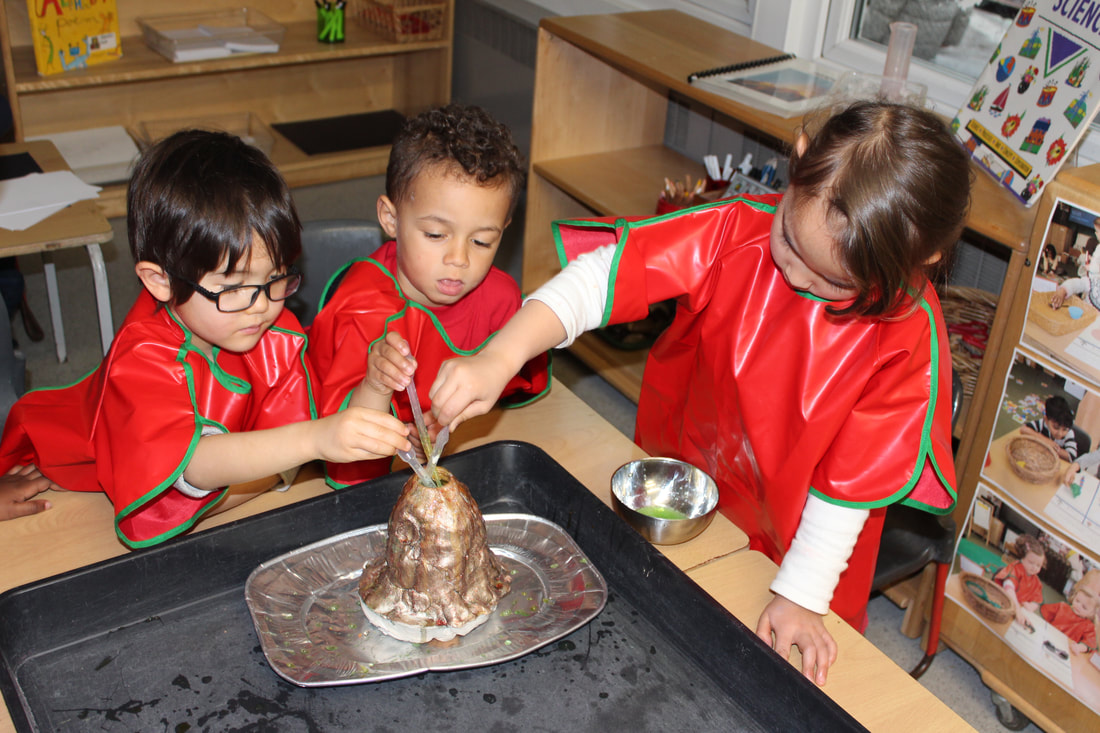
Volcanic eruptions are one of the most powerful natural forces on our planet. Making your own miniature erupting volcano is a great, safe way to start learning about these incredible geological features. 
For the volcano model:
  • Two A3 sheets of card
  • 200 ml plastic bottle
  • Pencil
  • Scissors
  • Tape
  • Paint and paintbrushes
For the eruption:
  • Small bowl
  • Cup
  • 1 tbsp bicarbonate of soda (baking soda)
  • 1 tbsp washing up liquid
  • 2 tbsp water
  • ½ cup vinegar
  • 1 tbsp red food colouring
Natural History Museum
The volcano model:
1. Place your bottle upside down in the centre of a sheet of card and draw a small circle around the neck.
2. Cut a straight line through the card to the middle of the circle, and cut it out.
3. Overlap the two sides of the card to make a cone shape. Tape this into place, leaving a hole where you cut out the circle.
Cut around the base of the cone so that it sits flat, but make sure that it is still taller than your bottle.
4. Place the cone over the bottle. Tape the top of the paper cone to the neck of the bottle to hold it in place. Tape the base of the cone to the other sheet of card.
5. Use paint to decorate the cone and make it look like a volcano. Allow your model to fully dry.

​The eruption:

1. In a bowl, combine the bicarbonate of soda and washing up liquid. Add the water and mix thoroughly. Pour this mixture into your volcano.
2. In a cup, mix together the vinegar and food colouring.
3. When you're ready, pour the vinegar into the bottle with the bicarbonate. Wait for it to erupt and watch how the lava flows.
4. Experiment with different amounts of bicarbonate and vinegar and see how the volcano's eruption changes.
Book titled 'Volcano'Read this book made on StoryJumper
Volcanoes
Science Blog
Rachel Keeling Nursery School has closed.  It has amalgamated with Globe Primary School.  The school site continues have a nursery provision for our local community, managed by Globe Primary School. 
Globe Primary School - The Rachel Keeling Nursery Site,
​Bullard's Place, Morpeth Street, London, E2 0PS

Tel: 020 8980 5856
Email: [email protected]
Rachel Keeling Nursery School has amalgamated with Globe Primary School. There continues to be a nursery provision on the school site and nursery places are available.
  • Home
    • Welcome
    • Location
    • Contact us
  • News
    • Learning Blog
    • Newsletters
    • Term dates
    • Learning Blog Archive
  • Our School
    • Our History
    • Our Garden
    • Our Films
  • Information
    • Admissions
    • Curriculum & Goals >
      • Settle in and become a confident learner
      • Follow a recipe to make playdough
      • Make a model at the woodwork table
      • Ride a bicycle
      • Create your own rhythmic patterns and respond to music
      • Create shades of colour using powder paints and palette
      • Make up your own stories
      • Write the first two letters of your name
    • Health and Hygiene
    • Early Years Pupil Premium
    • Lunchtime
    • Places for 3 & 4 year olds
    • Special Educational Needs and Disability
  • Families
    • Cycle Sisters
    • Children and Family Centres
    • Food Bank
    • Head Lice
    • What our community thinks
  • Outreach
    • Articles, Research & Conferences
    • Our Outreach Work
    • Resources >
      • Design Project
      • RKNS shopping
      • Learning Journeys
      • Special Books
      • RKNS using film
      • SEND/Inclusion
  • Learning
    • Curriculum >
      • Personal, Social & Emotional Development
      • Physical Development
      • Communication and Language
      • Literacy
      • Mathematics
      • Understanding the World
      • Expressive Arts and Design
    • Learning Gallery >
      • Reading, Writing, Speaking and Listening
      • Performing and Playing Music
      • Learning Outside
      • Taking Risks and Being Independent
      • Being Creative
      • Showing Curiousity
      • Designing and Building
      • Cooking
      • Our Shoppers
      • Bike It
      • Science
      • Independent Projects
      • Research Projects
      • Friendships
      • Sustainability
  • Home Learning
    • Stories with Staff
    • Numbers and Counting
    • Busy in the Kitchen
    • Sing-along Songs
    • Experiments
    • Letters and Sounds
    • Gardening
    • Keep Moving
    • Exploration and Games
    • 52 Things To Do
    • Learning at Home
    • Music at Home
    • Cooking Together
    • Phonics
    • Mathematics at Home
    • Science
    • Nature Detectives
    • Sharing Stories
    • Tales Toolkit
    • Being Creative
    • Keeping Active
  • Events
    • July 2025
    • June 2025
    • May 2025
    • April 2025
    • March 2025
    • February 2025
    • January 2025
    • December 2024
    • November 2024
    • October 2024
    • September 2024
    • July 2024
    • June 2024
    • May 2024
    • April 2024
    • March 2024
    • February 2024
    • January 2024
    • December 2023
    • November 2023
    • October 2023
    • September 2023
    • July 2023
    • June 2023
    • May 2023
    • April 2023
    • March 2023
    • February 2023
    • January 2023
  • Welcome